
E21 Releases Its Three-Year Plan: Continuous Innovation, Deeper International Cooperation, Green Sustainability
The company has released its 2025-2027 development plan, built on three pillars — category focus, an overseas service network, and green sustainability — with quantifiable annual targets made public.
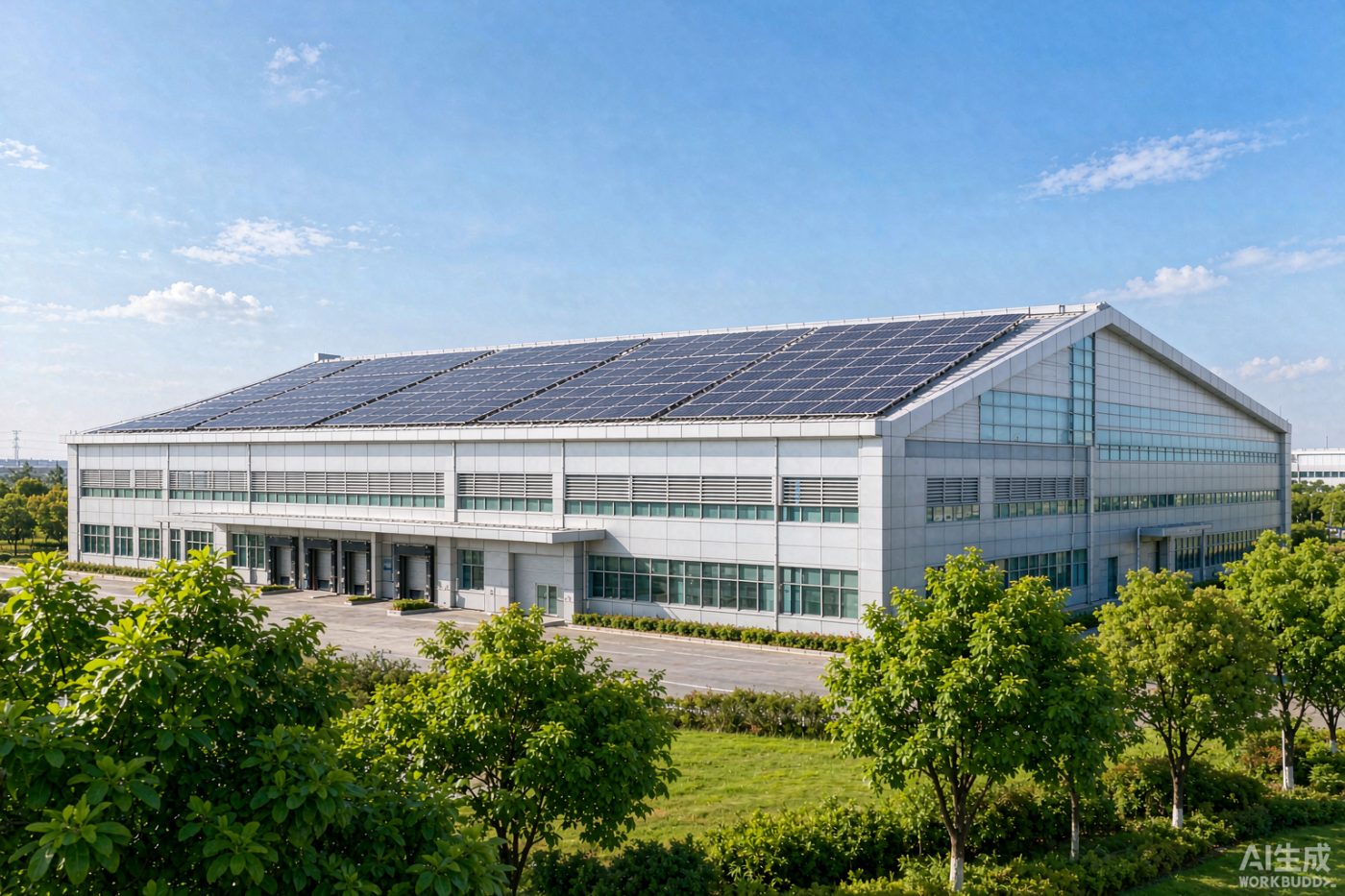
On June 20, 2025, the company released its 2025-2027 Development Plan. The plan sets three main lines: category focus, building an overseas service network, and green sustainability. The plan runs three years, is reviewed once a year, and its annual targets are quantifiable and verifiable.
Why publish a plan at this point
The company was founded in 2015; this is our tenth year. Over the past decade, our business expanded from a single category into four — machinery, solar, daily-use goods, and clothing — and we took some wrong turns.
In 2022 we pushed six categories at once. The result was scattered resources, with no category developed deep enough. In 2023 we cut back, dropping three categories whose gross margins stayed below five percent and whose service costs were high.
The core of this plan is to write down clearly what we will do and what we won't — and to make it public. Publishing it means accepting oversight from customers and partners.
Pillar one: category focus
For the next three years, company resources concentrate in two directions:
First, used construction machinery and parts. This is our traditional strength and where our service moat runs deepest. The goal: by 2027, inspection standards covering all mainstream models, and the parts fill rate raised from the current 71 percent to above 90 percent.
Second, solar PV modules and supporting equipment. This category was added in 2018; it grows fast, but competition is fierce. Our differentiation is not price but system design and delivery reliability. The goal: by 2027, a standardized solution library covering 10 kW to 1 MW.
Other categories continue at current levels with no new investment. Some low-efficiency categories will be phased out over the three years.
Pillar two: the overseas service network
We plan to build a three-tier overseas service network within three years.
Tier one: forward parts depots. In 2026, one in East Africa (Kenya or Tanzania) and one in West Africa (Nigeria or Ghana), each holding no less than 800,000 yuan of standing parts stock, covering fast-wearing items for four major brands.
Tier two: regional service points. From 2026 to 2027, we plan to set up cooperative repair points in five countries, working with local workshops; we supply parts, training, and diagnostic support.
Tier three: remote diagnosis. Launching within 2025: customers submit fault videos, and our technicians return a diagnosis and a parts list within two working days.
The three-year budget for this network is about 23 million yuan, funded from our own capital and operating cash flow — no external financing.
Pillar three: green sustainability
This one easily turns into slogans, so we only write down things that can be checked.
First, reusing used machines is itself emission reduction. Putting a used excavator back to work cuts roughly 60 percent of carbon emissions compared with manufacturing a new one (estimated over the machine's full life cycle). Starting in 2026, we will disclose the number of machines exported each year and the estimated avoided emissions in our annual report.
Second, packaging reduction. Within 2025, single-use plastics in export packaging will be cut by 50 percent, replaced by reusable materials. This adds no cost, because amortized reusable packaging is cheaper.
Third, solar for our own use. By the end of 2025, solar PV will be installed on the roof of our Foshan warehouse — about 300 kW of capacity, expected to cover more than 60 percent of the warehouse's annual electricity use.
Fourth, end-of-life disposal. The unusable fraction from used clothing grading goes to qualified recycled-fiber processors, never to landfill. Starting in 2026 we will disclose volumes and destinations.
Annual targets
The quantifiable targets set in the plan:
2026: parts fill rate of 80 percent; two overseas forward parts depots completed; customer repeat-purchase rate no lower than 45 percent; 100 percent of inspections archived with photos.
2027: parts fill rate above 90 percent; five regional service points; complaint response within two working days; exported machine units up no less than 30 percent versus 2025.
Progress against these targets will be published in the first quarter of the following year. Where we miss, we will explain why.
What we won't do
The plan also states three things we won't do:
No inventory speculation. We will not hoard stock in expectation of price rises; inventory turnover stays within thirty days.
No categories with questionable qualifications. Categories subject to export licenses or destination-country access restrictions stay untouched until full qualifications are in hand.
No participation in any form of under-declaration, gray-channel clearance, or false documentation.
These three are red lines, independent of performance targets. Any violation is an automatic veto.
Execution and review
Company management is responsible for execution, with an internal review every quarter and a public progress report every year.
The full plan document is available from your account manager. We do not guarantee the targets in the plan; we only promise to report progress and gaps truthfully.